
Trees often fall unexpectedly, especially during storm season in Pickaway County and throughout Ohio. Unfortunately, you can’t control where the tree falls. This can lead to damage to your home, garage, vehicles, fence, and more.
And, if dealing with the damage isn’t enough, you may also find yourself struggling to negotiate with your insurance company to cover the damages. Luckily, you don’t have to face this problem alone. You can call in a trusted tree company, such as our team here at G2G Tree Service, to get expert assistance with your tree removal and insurance claim.
In this post, we are going to walk you through how to deal with your downed tree and navigate insurance claims for tree removal. Keep reading to learn more and find peace of mind in your tree removal services.
Understanding Insurance Claims for Tree Removal
Insurance can be complicated and frustrating to navigate. Unfortunately, that’s the last thing you need when you’re already facing a tree-related emergency. You need a simple and seamless process to ease your worries and bring you peace of mind.
Here at G2G Tree Service, our goal is to deliver the information that you need to feel comfortable and confident navigating your emergency tree removal and insurance claims for tree removal. We have outlined the factors that play into getting your tree removal covered, as well as the steps that you should take to get started.
Continue reading to learn more about insurance claims and tree removal services. Then, call our crew at G2G Tree Service with any more questions you have and to get started with your emergency tree removal.
When Are Tree Removal Services Covered by Homeowners Insurance?
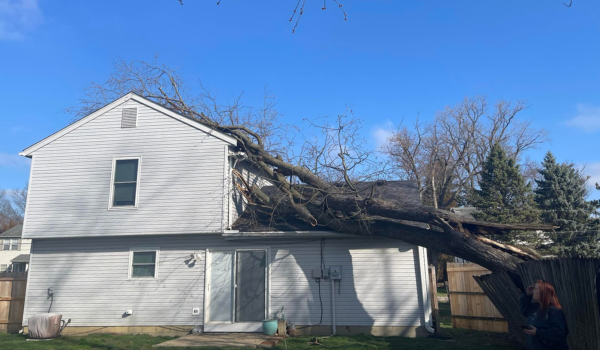
Generally speaking, homeowners insurance will cover tree removal services if the tree has unexpectedly fallen and caused damage to an insured structure on your property. Every insurance policy is different, so you will need to refer to your individual policy for the exact criteria of covered perils. That being said, we have outlined below the most common factors that influence whether your insurance claims for tree removal will be approved.
Location of the Fall
In order for homeowners insurance to pay for tree removal services, the tree must have fallen on an insured structure. This can include your house, your garage, your fence, your neighbor’s home, and any other insured structure.
If the tree has simply fallen into your yard, it is unlikely that insurance will cover this tree removal. Likewise, if the tree falls onto a structure that you have not listed in your homeowners insurance policy, the removal will likely not be covered.
Damage Caused
For insurance to cover a tree removal, there has to be damage incurred to an insured structure. This can mean your roof was damaged, your siding was broken, your fence was smashed, or another insured structure took damage.
If no damage has occurred from the fallen tree, then homeowners insurance will likely not cover the tree removal. This means that, even if a tree or large limb has fallen on your roof, the tree removal may not be covered if there is no clear damage to your home.
Condition of the Tree
Besides looking at the damage caused by the tree, another factor that influences your insurance claim is the condition of the tree. A seemingly healthy tree that fell unexpectedly or during a storm is likely to be covered.
However, a tree that has clear signs of decay will likely not be covered. That means, even if your property is damaged, your insurance claim may be denied if the tree was clearly dead or dying before it fell.
Known Risk Factors
An additional factor considered during your insurance claim process will be any known risk factors for the tree. This means that if it was clear your tree was a hazard, you may not receive compensation for the tree removal.
An example of this would be: If you had a tree that was previously damaged and leaning, then this is considered a known risk factor. The tree removal may not be covered because insurance would assume that you should have addressed this concern before the tree fell.

How Can You File Your Insurance Claim for Tree Services?
Tree problems often arise unexpectedly, especially after severe storms come through Pickaway County and the surrounding areas of Ohio. When you’re faced with a sudden downed tree, it can feel overwhelming. Our team here at G2G Tree Service is here to guide you so that you don’t have to worry.
Below, we have outlined the steps that you need to take to address your tree emergency and get insurance coverage.
1. Stay Clear & Keep Everyone Safe
If you have a tree down, especially one that has landed on your roof, you need to take immediate action to keep yourself, your family, and anyone else in your home safe. With significant damage, you may need to make other living arrangements until you can have your tree concern addressed. Either way, you need to steer clear of the downed tree because it could continue to shift and lead to unanticipated injury.
2. Call Your Local Tree Company
There’s a common misconception that you need to contact your insurance company before you can schedule tree services. This is not the case in emergency situations because you have a duty to prevent further harm and injury. Instead, you should call in your local tree contractors right away so that you can get on their schedule as soon as possible. In addition, tree care professionals can actually help you with the insurance claim so that you don’t have to struggle through complicated processes.
3. Contact Your Insurance Company
With your safety ensured and tree service scheduled, you should reach out to your insurance company as soon as possible. This way, you can start the process of filing your claim and getting coverage for your tree removal. It’s important that you contact the insurance company right away. If you wait for an extended time, you may not be eligible for coverage.
4. Document All Damages
You need to document everything about the fallen tree. You should write out all of the details about the status of the tree before it fell and after, as well as anything damaged in the process. Take note of specific time frames as well.
In addition, take as many pictures as you can safely. Don’t put yourself too close to the fallen tree because it could shift and cause injury. Take pictures from a safe distance and from as many angles as you can to document everything about the damage. Finally, make sure you take pictures of any structures that were damaged during the fall, including fences, roofs, siding, garages, vehicles, possessions, and anything else.
5. Complete Necessary Paperwork
With your documentation ready, you will also need to fill out any forms from your insurance company. Often, your tree service provider can assist you to ensure you’re getting accurate information and full compensation from your insurance claim.
Then, you just have to wait on the decision from your insurance company. Luckily, if you work with a reputable tree company, you should have your tree removal covered without issue.
Do You Need Emergency Tree Removal? Call G2G Tree Service Now!
Are you facing a downed tree on your property in Pickaway County or the surrounding areas of Ohio? You’ve come to the right place! G2G Tree Service offers prompt and reliable emergency tree removal services. We’ll get the tree removed and help you with your insurance claim so that you don’t have to worry.
Let’s get started now so that you can have peace of mind. Call G2G Tree Service today to book your tree removal services.